

Blog
BEYOND THE STOVE: THE CHARACTER THAT DEFINES A GREAT CHEF

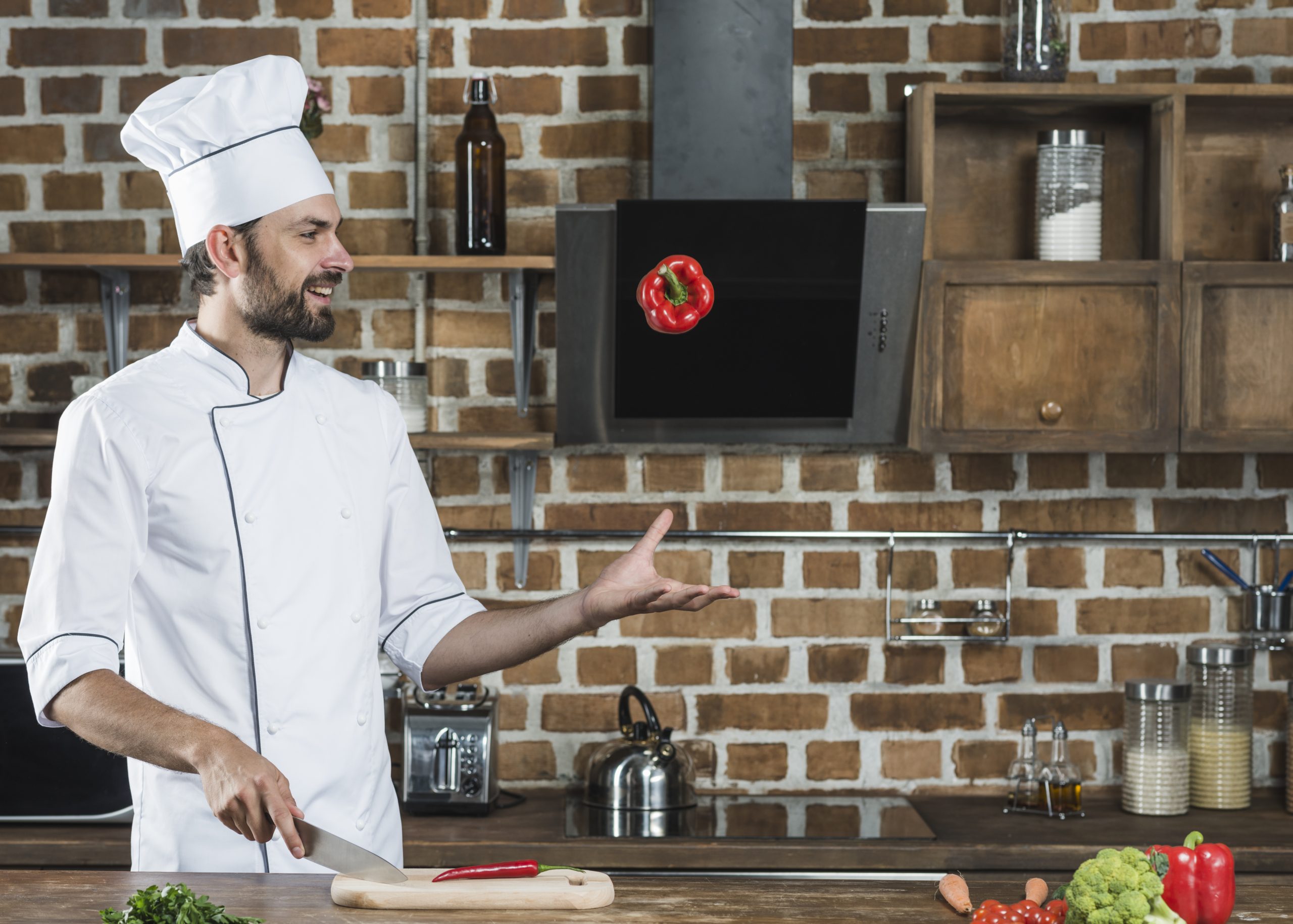
In professional kitchens, success is rarely determined by who plates the prettiest dish or invents the most unusual flavor combination. Those things matter, but they are not what sustain a long career. What truly distinguishes a great chef is character. The kitchen exposes who you are under pressure, and that exposure shapes your reputation more than any signature recipe ever could.
Every service is a test of composure. Tickets pile up. Timers beep relentlessly. A sauce breaks at the worst possible moment. In these instances, technical skill is assumed. What matters more is how you respond. Do you blame others, or do you correct the mistake and move forward? Do you lose your temper, or do you steady the team? Kitchens run on energy, and that energy often mirrors the chef at the helm. Calm leadership creates focus. Chaos spreads quickly.
Emotional resilience becomes essential because setbacks are unavoidable. A new menu might fail to impress. A trusted supplier may deliver substandard ingredients. A promising cook might suddenly quit during peak season. These moments can drain morale, yet they also offer an opportunity to demonstrate steadiness. Chefs who endure are those who treat obstacles as information rather than personal attacks. They adapt, recalibrate, and return stronger.
Identity also plays a powerful role. The most respected chefs understand what they stand for. They are not chasing trends blindly or copying whatever is popular that year. Instead, they build their kitchens around principles. It might be discipline, mentorship, sustainability, or precision. Whatever the foundation, it remains consistent. Staff members know what is expected. Guests recognize the experience. Consistency builds trust, and trust builds loyalty.
Leadership in the culinary world extends beyond food. Young cooks watch everything. They observe how conflicts are handled, how criticism is delivered, and how victories are shared. A chef who gives credit generously and corrects privately earns long-term respect. This environment encourages growth rather than fear. Over time, that culture becomes a chef’s true legacy.
The reality is that talent can open doors, but character keeps them open. The culinary industry is demanding and, at times, unforgiving. In such an environment, integrity, composure, and clarity of purpose become invaluable assets. When a chef cultivates strong character alongside technical expertise, they do more than run a kitchen. They build a standard that others aspire to meet, and that is what ultimately defines enduring success.