

Blog
Easy High-Fiber Meal Ideas That Support Long-Term Health

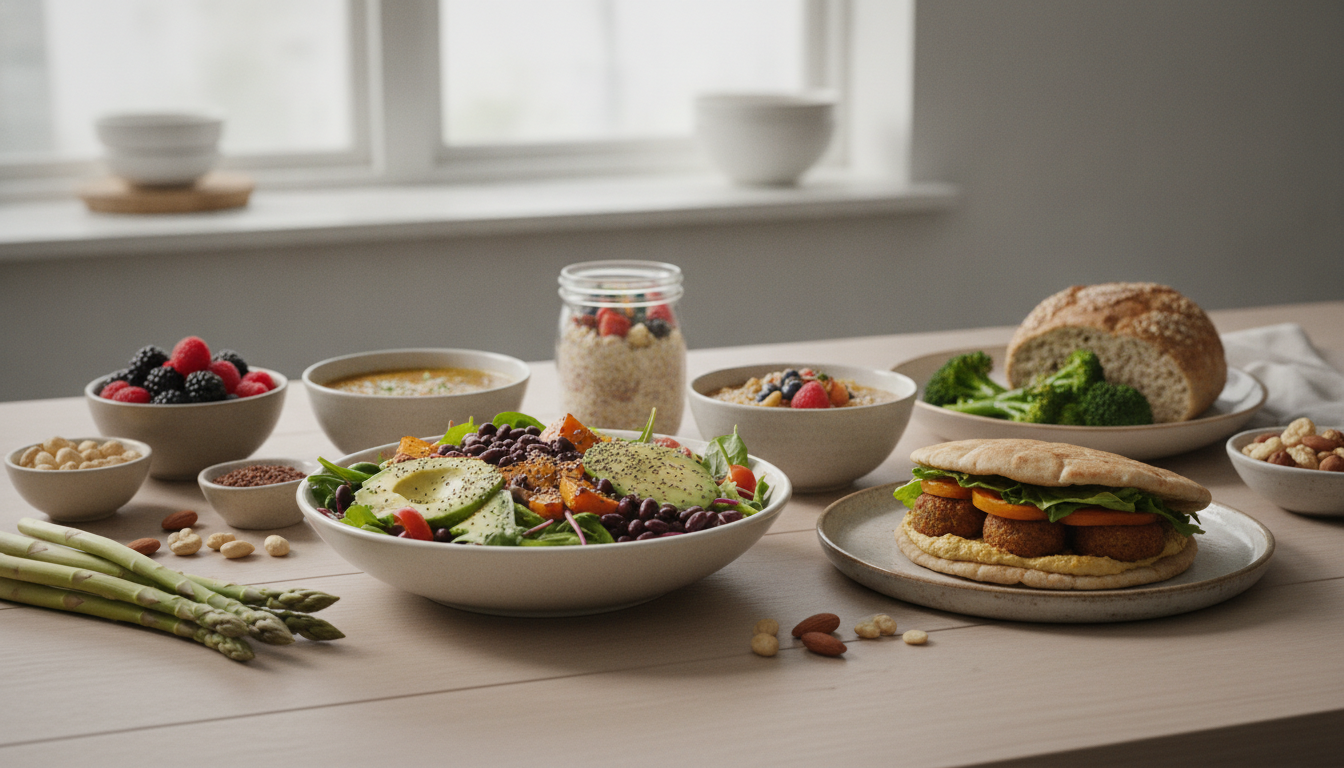
The Fiber Gap: Why Most Modern Diets Are Starving the Microbiome
In the landscape of modern nutrition, we often obsess over macronutrient ratios—counting every gram of protein, debating the merits of keto versus low-fat, and tracking calories with surgical precision. Yet, there is a glaring hole in the average diet that is arguably more critical for long-term longevity: dietary fiber. Data from the National Health and Nutrition Examination Survey (NHANES) reveals a startling reality—95% of adults fail to meet the recommended daily intake of fiber. This “fiber gap” is more than just a digestive inconvenience; it is a fundamental breakdown in the biological relationship between our food and our gut microbiome.
As a specialist at Modern Food Ideas, I have spent years analyzing how dietary patterns influence systemic health. Fiber is not merely “roughage” that helps things move along; it is the primary fuel for the trillions of beneficial bacteria residing in your colon. When you consume a high-fiber meal, you are essentially feeding an internal pharmacy that produces short-chain fatty acids (SCFAs) like butyrate, which reduce inflammation, strengthen the gut barrier, and even influence brain health. This guide is designed to move beyond the boring “eat more bran” advice and provide a comprehensive blueprint for integrating high-fiber meals into a busy, modern lifestyle.
The Biological Blueprint: Soluble vs. Insoluble Fiber
To master high-fiber cooking, you must understand the two primary types of fiber and how they function within the body. While most whole foods contain a mix of both, their roles are distinct:
- Soluble Fiber: This fiber dissolves in water to form a gel-like substance. It is found in abundance in oats, peas, beans, apples, and citrus fruits. Soluble fiber is the “metabolic regulator”—it helps lower blood cholesterol levels and slows the absorption of sugar, preventing insulin spikes.
- Insoluble Fiber: Found in whole-wheat flour, wheat bran, nuts, beans, and vegetables like cauliflower and potatoes, this fiber promotes the movement of material through your digestive system. It is the “mechanical cleaner” that provides bulk to the stool and prevents constipation.
The Morning Fuel: High-Fiber Breakfasts That Kill Cravings
Breakfast is the most strategic time to front-load your fiber intake. By hitting 10-15 grams of fiber before noon, you stabilize your blood sugar for the remainder of the day, effectively silencing the “hunger hormones” that lead to afternoon snacking.
1. The Overnight Chia and Hemp Power Bowl
Chia seeds are a nutritional powerhouse, containing nearly 10 grams of fiber in just two tablespoons. Unlike traditional cereal, which is often processed and stripped of its hull, chia seeds provide a slow-release energy source.
Expert Tip: Mix 3 tablespoons of chia seeds with 1 cup of unsweetened almond milk and a teaspoon of vanilla extract. Let it sit overnight. In the morning, top it with 1/2 cup of raspberries (another 4 grams of fiber) and a tablespoon of hemp hearts. This single meal provides approximately 15 grams of fiber—nearly half of the daily requirement for many adults.
2. Savory Steel-Cut Oats with Sautéed Greens
Most people associate oatmeal with sugar and fruit, but savory oats are a game-changer for long-term health. Steel-cut oats have a lower glycemic index than rolled or instant oats because they are less processed, keeping the fibrous outer bran intact.
Cook your steel-cut oats in vegetable broth instead of water. Top with sautéed kale, a poached egg, and a sprinkle of nutritional yeast. The combination of the beta-glucan fiber in the oats and the cellulose in the kale creates a powerhouse meal for heart health.
Midday Mastery: Portable High-Fiber Lunches
The “afternoon slump” is often a result of a low-fiber, high-carb lunch that causes a rapid blood sugar crash. Transitioning to high-fiber legumes and cruciferous vegetables ensures sustained cognitive performance.
3. The Mediterranean Chickpea and Quinoa Mason Jar Salad
Quinoa is one of the few plant-based sources of complete protein, and it packs 5 grams of fiber per cooked cup. When paired with chickpeas (canned or soaked), the fiber content skyrockets.
| Ingredient | Fiber Content (Approx.) | Primary Benefit |
|---|---|---|
| 1 cup Cooked Quinoa | 5g | Complete Protein & Magnesium |
| 1/2 cup Chickpeas | 6g | Prebiotic Fiber for Gut Health |
| 1 cup Spinach | 1g | Iron & Vitamin K |
| 1/4 cup Sunflower Seeds | 3g | Healthy Fats & Vitamin E |
| Total | 15g | Over 50% of RDA |
4. Lentil and Root Vegetable Soup
Lentils are arguably the king of the fiber world, offering about 15.6 grams of fiber per cooked cup. They are also incredibly shelf-stable and affordable. For a modern twist, use red lentils, which break down into a creamy consistency, eliminating the need for heavy dairy or thickeners. Combine with carrots, celery, and sweet potatoes for a diverse array of phytonutrients.
Dinner Strategies: High-Fiber Meals for the Whole Family
The challenge with high-fiber dinners is often palatability, especially for children or those used to a “meat and potatoes” diet. The secret lies in “fiber-swapping”—replacing refined grains with high-fiber alternatives that carry flavor just as well.
5. Black Bean and Sweet Potato Tacos
Swap traditional ground beef for a mixture of seasoned black beans and roasted sweet potato cubes. Black beans provide 15 grams of fiber per cup, while sweet potatoes offer 4 grams (leave the skin on for maximum benefit). Use corn tortillas instead of flour for an extra gram of fiber per shell.
Pro Tip from Modern Food Ideas: Always add a dollop of guacamole. Avocados are an underrated fiber source, containing about 10-13 grams of fiber per fruit. They provide the creamy mouthfeel that makes the meal feel indulgent while supporting cardiovascular health.
6. Roasted Cauliflower and Chickpea “Steaks”
Cruciferous vegetables like cauliflower contain sulforaphane, a compound linked to cancer prevention, but they are also packed with fiber. By slicing cauliflower into thick “steaks” and roasting them with chickpeas and a tahini dressing, you create a high-volume, low-calorie meal that is incredibly filling.
“Fiber is the most underrated nutrient in the Western world. We focus so much on what to take out of our diets—carbs, fats, sugar—that we forget what we need to put back in: the structural integrity of whole plants.” — Senior Nutritionist at Modern Food Ideas
The Science of Longevity: How Fiber Protects the Body
Why is there such a push for high-fiber meal ideas in 2026? It comes down to the prevention of chronic disease. Research consistently shows that individuals with the highest fiber intake have a significantly lower risk of:
- Type 2 Diabetes: Fiber slows sugar absorption, improving insulin sensitivity over time.
- Colorectal Cancer: Insoluble fiber acts as a “broom,” moving potential carcinogens through the digestive tract faster.
- Cardiovascular Disease: Soluble fiber binds to bile acids (which contain cholesterol) and carries them out of the body, naturally lowering LDL levels.
- Weight Management: Fiber increases satiety by expanding in the stomach and triggering the release of fullness hormones like PYY and GLP-1.
Snacking with Purpose: High-Fiber “Bridge” Foods
Snacking is often where fiber goes to die. Processed crackers, chips, and sweets offer zero fiber and high calories. To maintain long-term health, snacks should be viewed as a “bridge” between meals that adds to your daily fiber total.
- Edamame with Sea Salt: One cup of prepared edamame provides 8 grams of fiber and 17 grams of protein. It is the ultimate “clean” snack.
- Pear with Almond Butter: Pears have more fiber than apples (about 6 grams for a medium fruit). Pairing it with almond butter adds healthy fats and another 3 grams of fiber.
- Air-Popped Popcorn: Popcorn is a whole grain. Three cups of air-popped popcorn provide 3.5 grams of fiber. Skip the butter and use nutritional yeast or smoked paprika for flavor.
The “Low and Slow” Rule: Avoiding Digestive Distress
A common mistake when adopting high-fiber meal ideas is increasing intake too rapidly. If your gut is used to 10 grams of fiber a day and you suddenly jump to 35 grams, you will likely experience bloating, gas, and cramping. This is because your microbiome needs time to shift its population to handle the increased workload.
The Protocol: Increase your fiber intake by 5 grams every three to four days. Simultaneously, you must increase your water intake. Fiber functions like a sponge; without enough water, it can actually cause constipation rather than prevent it.
Advanced Fiber: Resistant Starch and the Gut-Brain Axis
For those looking to reach the pinnacle of “Topical Authority” in nutrition, we must discuss resistant starch. This is a type of fiber that “resists” digestion in the small intestine and ferments in the large intestine. It is found in slightly green bananas, cooked and cooled potatoes, and legumes.
When you cook potatoes or rice and then let them cool in the refrigerator, the chemical structure changes, increasing the resistant starch content. This process, known as retrogradation, turns a high-glycemic food into a prebiotic powerhouse. Incorporating potato salads (with a vinegar-based dressing) or cold rice bowls is a sophisticated way to support your gut-brain axis, as the SCFAs produced during fermentation are linked to improved mood and reduced anxiety.
Comparison: Refined vs. High-Fiber Alternatives
| Refined Food (Low Fiber) | Fiber Swap (High Fiber) | Fiber Increase |
|---|---|---|
| White Rice (1 cup) | Brown Rice or Farro (1 cup) | +3.5g to +7g |
| White Bread (2 slices) | Sprouted Grain Bread (2 slices) | +4g to +6g |
| Orange Juice (8 oz) | Whole Orange | +3g (plus less sugar) |
| Potato Chips (1 oz) | Roasted Chickpeas (1 oz) | +5g |
Frequently Asked Questions Regarding High-Fiber Diets
Can you have too much fiber?
While rare, consuming excessive fiber (upwards of 70g per day) can lead to nutrient malabsorption, as fiber can bind to minerals like calcium, magnesium, and zinc before the body can absorb them. Most people, however, are nowhere near this limit.
Does cooking vegetables reduce their fiber content?
Cooking does not significantly “destroy” fiber. While it may soften the cellulose and make it easier to chew, the total grams of fiber remain largely the same. In some cases, cooking makes the fiber more accessible to your gut bacteria.
Is a fiber supplement as good as whole food?
Supplements like psyllium husk are excellent tools for regularity, but they lack the “synergy” of whole foods. Whole plants provide antioxidants, vitamins, and minerals that work alongside fiber to protect your health. Use supplements as a “top-off,” not a foundation.
The Modern Food Ideas Checklist for High-Fiber Success
- The 5-Gram Rule: Every meal should contain at least 5 grams of fiber.
- The Skin-On Policy: Keep the skins on potatoes, apples, cucumbers, and carrots whenever possible.
- The Legume Foundation: Aim to include beans, lentils, or chickpeas in at least four meals per week.
- Hydration Habit: Drink 8 ounces of water for every 5 grams of supplemental fiber added.
- Diversity is Key: Aim for 30 different plant types per week to maximize microbiome diversity.
Conclusion: The Path to Long-Term Vitality
Adopting high-fiber meal ideas is not a temporary “cleanse” or a restrictive diet; it is a fundamental shift toward biological alignment. By choosing foods that nourish your microbiome, you are investing in a future of reduced inflammation, stable energy, and metabolic resilience. At Modern Food Ideas, we believe that the most effective health strategies are those that are easy to implement and delicious to eat.
Start small. Swap your morning toast for sprouted grain bread. Add a handful of lentils to your favorite pasta sauce. Replace your afternoon chips with a pear and some nuts. Over time, these small choices accumulate into a powerful defense against the diseases of modern life. Your gut—and your future self—will thank you.