
Blog
Foods Rich in Protein: A Complete Guide for Everyday Meal Planning

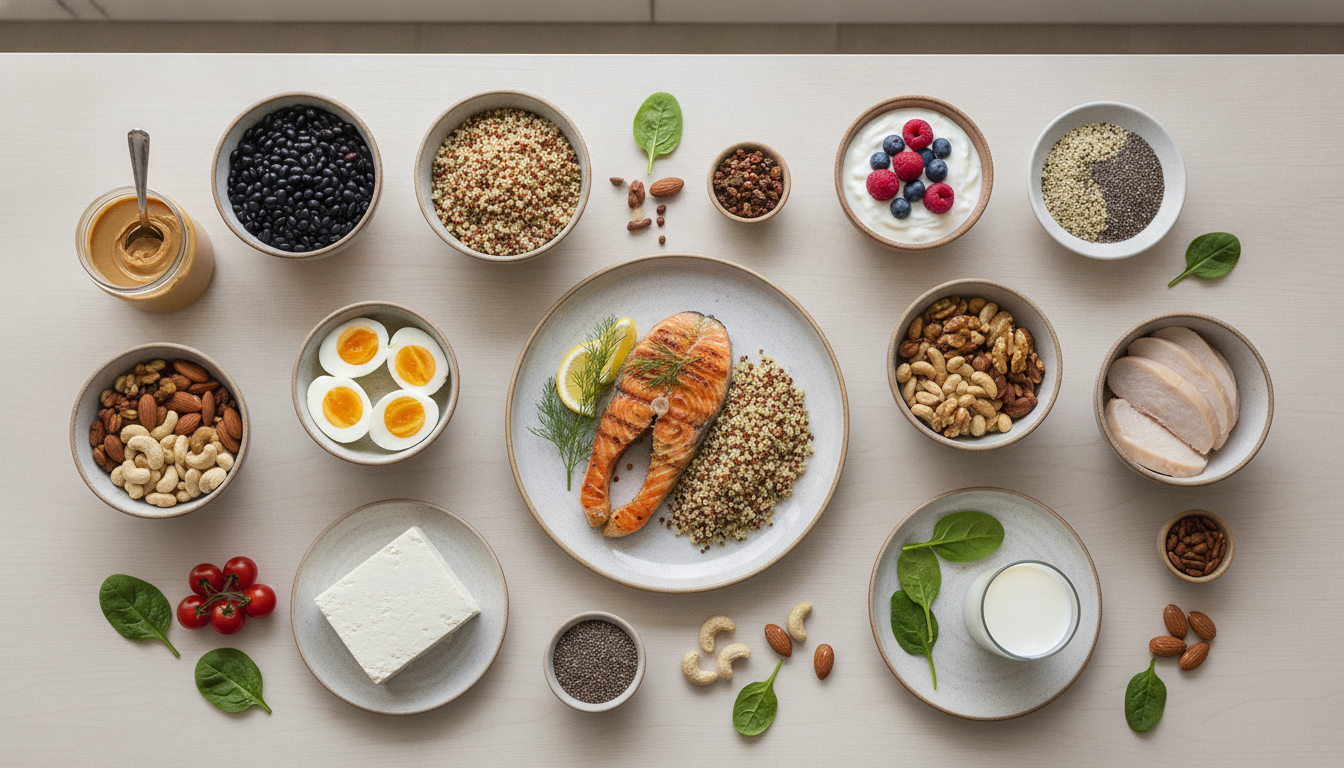
The Ultimate Protein Blueprint: Elevating Every Meal for Strength, Satiety, and Longevity
In the modern nutritional landscape, few macronutrients are as discussed, debated, and sought after as protein. Often hailed as the building block of life, protein is far more than just a tool for bodybuilders or athletes. It is the fundamental architect of your enzymes, the structural integrity of your skin, the catalyst for your immune system, and the primary driver of metabolic health. Yet, despite its importance, many individuals struggle to move beyond the basic “chicken and broccoli” paradigm, missing out on the diverse spectrum of nutrient-dense foods that can transform their health. This guide, curated with the expertise of Modern Food Ideas, dives deep into the science and practical application of protein-rich foods to help you master your daily meal planning.
Decoding the Protein Matrix: Why Your Body Craves More Than Just Macros
Before we list the foods, we must understand the “why.” Protein is composed of 20 amino acids, nine of which are considered “essential.” This means your body cannot synthesize them internally; they must be acquired through your diet. When we discuss high-quality protein, we are referring to the bioavailability and the amino acid profile of the food source.
The Thermic Effect of Food (TEF): Did you know that protein has a higher thermic effect than fats or carbohydrates? Your body uses approximately 20-30% of the calories consumed from protein just to digest and process it. This makes protein-rich foods a cornerstone for weight management and metabolic efficiency. Furthermore, the Protein Leverage Hypothesis suggests that the human body will continue to signal hunger until a specific protein threshold is met, regardless of how many total calories are consumed. By prioritizing protein, you naturally regulate your appetite and reduce the likelihood of overeating processed snacks.
The Gold Standard: Understanding DIAAS vs. PDCAAS
In the world of nutritional science, we use scales like the Protein Digestibility Corrected Amino Acid Score (PDCAAS) and the newer, more accurate Digestible Indispensable Amino Acid Score (DIAAS). These metrics tell us how much of the protein you eat actually reaches your bloodstream. Animal proteins generally score higher on these scales, but with strategic pairing, plant-based sources can become equally effective for muscle protein synthesis (MPS).
The Animal Kingdom: High-Bioavailability Protein Sources
Animal-based proteins are “complete” proteins, meaning they contain all nine essential amino acids in the right proportions. For those looking to optimize recovery and metabolic health, these sources are often the most efficient.
1. The Versatility of Poultry: Chicken and Turkey
Chicken breast remains a staple for a reason. It is incredibly lean, providing roughly 31 grams of protein per 100 grams with minimal fat. However, to avoid “palate fatigue,” it is essential to explore different cuts. Turkey breast is often overlooked but provides a similar protein profile with a slightly different micronutrient set, including higher levels of selenium and tryptophan, which aids in serotonin production.
2. Ruminant Meats: Beef, Lamb, and Bison
Red meat has been unfairly maligned in recent decades. When sourced correctly—such as grass-fed beef or pasture-raised lamb—it is a nutritional powerhouse. Bison is an emerging favorite in the health community because it is naturally leaner than beef and typically raised without the intensive use of antibiotics. These meats are rich in Heme Iron, Vitamin B12, and Zinc, which are critical for energy levels and cognitive function.
3. The Marine Powerhouse: Fatty Fish and Shellfish
Fish offers a dual benefit: high-quality protein and heart-healthy Omega-3 fatty acids. Wild-caught salmon, mackerel, and sardines provide a potent anti-inflammatory effect. For those seeking the highest protein-to-calorie ratio, White fish like cod, tilapia, and halibut are exceptional. Shellfish, such as shrimp and scallops, are surprisingly high in protein and provide unique minerals like iodine and magnesium that are often lacking in modern diets.
4. The Incredible Egg: Nature's Multivitamin
The humble egg is the reference point against which all other proteins are measured. A single large egg contains about 6-7 grams of protein. While many opt for egg whites to save calories, the yolk contains the majority of the nutrients, including choline for brain health and lutein for eye health. Recent studies have debunked the myth that dietary cholesterol in eggs significantly impacts blood cholesterol for the majority of the population.
| Food Item (100g) | Protein Content (g) | Primary Benefit |
|---|---|---|
| Chicken Breast | 31g | Lean, high leucine content |
| Grass-Fed Beef | 26g | Iron, B12, and Zinc |
| Canned Tuna | 25g | Convenient, low calorie |
| Greek Yogurt (Plain) | 10g | Probiotics and Calcium |
| Whole Eggs | 13g | High bioavailability, Choline |
The Green Revolution: Mastering Plant-Based Protein
Whether you follow a vegan lifestyle or simply want to practice “Meatless Mondays,” plant-based proteins offer fiber and phytonutrients that animal products lack. The key to success here is variety and volume.
1. Legumes and Pulses: The Budget-Friendly Superfoods
Lentils, chickpeas, and black beans are the backbone of many longevity-focused diets, such as those found in the “Blue Zones.” Lentils provide about 18 grams of protein per cooked cup and are rich in folate. Chickpeas are not only versatile (think hummus or roasted snacks) but also have a low glycemic index, providing steady energy without insulin spikes.
2. Soy: The Complete Plant Protein
Soy is one of the few plant sources that is a complete protein. Tempeh, a fermented soy product, is particularly beneficial because the fermentation process breaks down anti-nutrients and introduces gut-healthy probiotics. Edamame (young soybeans) makes for an excellent high-protein snack, offering 18 grams of protein per cup.
3. Ancient Grains and Seeds
While grains are often viewed as carbohydrates, some are surprisingly protein-dense. Quinoa is a complete protein, making it a superior base for salads compared to rice. Hemp seeds and Chia seeds are excellent toppers for yogurt or smoothies, providing essential fatty acids alongside their protein content. For those looking to transform these raw ingredients into culinary masterpieces, Modern Food Ideas provides an extensive library of chef-curated recipes that prioritize both flavor and macro-efficiency.
The “Hidden” Protein Heroes: Vegetables and Grains
Many people fail to reach their protein goals because they only count the “main” source on their plate. However, secondary sources add up quickly throughout the day. This is a strategy often used by elite nutritionists to ensure satiety.
- Sprouted Grain Bread: Unlike white bread, sprouted versions can contain up to 5 grams of protein per slice.
- Broccoli and Spinach: While you would need to eat a lot to match a steak, these vegetables have a high protein-to-calorie ratio and contribute to your daily totals.
- Green Peas: A cup of peas contains 8 grams of protein, nearly as much as a cup of milk.
- Nut Butters: While primarily a fat source, almond and peanut butters provide a supplemental 7-8 grams of protein per two tablespoons.
Strategic Meal Planning: The “Protein-First” Approach
As a Senior SEO Director in the health space, I see thousands of “diet plans,” but the ones that stick are those that prioritize protein at every meal. Here is how to structure your day for maximum results:
Breakfast: Breaking the Fast with Amino Acids
The standard breakfast of cereal or toast is a metabolic disaster for many, leading to a mid-morning crash. Instead, aim for 30 grams of protein in the morning. This could be a Greek yogurt parfait with hemp seeds, or a tofu scramble with nutritional yeast. High-protein breakfasts have been shown to reduce cravings for sugary foods later in the evening.
Lunch: The Power Bowl Strategy
Instead of a sandwich, build a “Power Bowl.” Start with a base of leafy greens and quinoa, add a primary protein (grilled salmon or tempeh), and top with a healthy fat like avocado. This combination ensures a slow release of energy and keeps your brain sharp for afternoon tasks.
Dinner: Diversifying Your Intake
Dinner is the perfect time to experiment with different protein sources. Try ground bison tacos using lettuce wraps, or a red lentil dhal. By rotating your protein sources, you ensure a wider array of micronutrients and prevent the boredom that leads to poor dietary choices.
“Protein is the lever of satiety. When you control your protein intake, you control your hunger, and when you control your hunger, you control your health.” — Expert Perspective from Modern Food Ideas
The Bioavailability Factor: Why Quality Matters
It is a common mistake to assume that 20g of protein from a protein bar is the same as 20g from a piece of wild-caught cod. Processed protein sources often contain fillers, artificial sweeteners, and seed oils that can cause gut inflammation. Whole food sources should always be the priority. When using supplements like whey or pea protein, look for “isolate” versions with minimal ingredients to ensure you are getting what you pay for.
Pro Tip: The Leucine Threshold
If your goal is muscle preservation or growth, you need to hit the “Leucine Threshold.” Leucine is the specific amino acid that “turns on” muscle protein synthesis. Most adults need about 2.5 to 3 grams of leucine per meal to trigger this process. This is easily achieved with 4-5 ounces of chicken or beef, but requires more careful planning with plant-based meals (e.g., combining beans with rice or eating larger portions of soy).
Protein for Different Life Stages
Your protein requirements are not static; they evolve as you age. Understanding these shifts is crucial for long-term vitality.
For the Growing Athlete
Younger, active individuals require higher protein to support tissue repair and growth. Aim for 1.6 to 2.2 grams of protein per kilogram of body weight. Focus on dairy proteins like cottage cheese, which contain casein—a slow-digesting protein perfect for overnight recovery.
For the Aging Adult: Combating Sarcopenia
As we age, we face Sarcopenia, the natural loss of muscle mass. Older adults actually need more protein than younger adults to stimulate the same amount of muscle growth due to “anabolic resistance.” Increasing protein intake to 1.2-1.5g/kg can significantly improve mobility and independence in later years.
Common Myths About High-Protein Diets
Despite the overwhelming evidence supporting protein, several myths persist. Let’s address them with a focus on 2026 nutritional standards.
Myth 1: “Too much protein damages the kidneys.”
For individuals with healthy kidneys, high protein intake has not been shown to cause damage. The kidneys are remarkably efficient at filtering the byproducts of protein metabolism. However, those with pre-existing chronic kidney disease should always consult a physician.
Myth 2: “Plant protein isn't as good as animal protein.”
While animal protein is more “efficient” per gram, plant protein is excellent for longevity and heart health. The key is to consume a variety of sources to ensure a complete amino acid profile over the course of the day. You don't need to get every amino acid in every single bite; your body maintains a “pool” of amino acids to draw from.
Myth 3: “You can only absorb 30g of protein at a time.”
Your body will eventually absorb almost all the protein you eat. The “30g myth” refers to the amount that can be used for muscle protein synthesis in one sitting. The rest is used for other bodily functions, stored, or burned for energy. Eating more than 30g in a meal is not “wasted.”
The Modern Food Ideas Checklist for High-Protein Shopping
To make your next trip to the grocery store more effective, follow this checklist developed in collaboration with Modern Food Ideas:
- The Perimeter Rule: Spend 80% of your time in the outer aisles where fresh meats, fish, and produce are located.
- Check the Labels: For Greek yogurt and cottage cheese, ensure there are no added sugars or thickeners like carrageenan.
- Frozen is Fine: Frozen wild-caught fish and organic edamame are often fresher and more affordable than the “fresh” counter options.
- Canned Convenience: Keep sardines, tuna (in water), and beans in your pantry for those days when you don’t have time to cook.
The Final Synthesis: Building a Sustainable Habit
Achieving a protein-rich diet isn’t about perfection; it’s about consistency. Start by identifying one meal where you currently lack protein—perhaps your breakfast or your mid-afternoon snack—and upgrade it. Swap that bagel for smoked salmon and cream cheese on sprouted bread. Replace your chips with a handful of almonds or a hard-boiled egg.
By focusing on Foods Rich in Protein, you are investing in your future self. You will find that your energy levels stabilize, your recovery from exercise improves, and your cravings for ultra-processed foods diminish. Use this guide as a living document, and remember to visit Modern Food Ideas for the latest culinary inspirations to keep your journey delicious and sustainable. The road to optimal health is paved with high-quality amino acids—start building yours today.
Frequently Asked Questions
How much protein do I really need per day?
While the RDA is 0.8g per kilogram of body weight, this is the minimum to prevent deficiency. For optimal health, most experts now recommend 1.2g to 2.0g per kilogram, depending on your activity level and goals.
Can I get enough protein on a vegan diet?
Absolutely. By combining sources like seitan, tempeh, nutritional yeast, and legumes, vegans can easily meet their protein requirements. Supplementing with a high-quality vegan protein powder can also help bridge the gap.
What is the best high-protein snack for weight loss?
Greek yogurt or cottage cheese are top choices because they are high in protein but low in calories and very satiating. Jerky (without added sugar) and roasted chickpeas are also excellent portable options.
Does cooking protein change its quality?
Cooking actually improves the digestibility of many proteins, especially in eggs and meat. However, charred or overcooked meat can create harmful compounds, so gentle cooking methods like poaching, steaming, or medium-heat roasting are preferred.
Is protein powder necessary?
No, it is a supplement. It is convenient for post-workout recovery or for those with very high protein needs, but whole foods should always form the foundation of your diet because they provide fiber and micronutrients that powders lack.
Summary Table: Top Protein Sources by Category
| Category | Top Choice | Protein per Serving | Why it Wins |
|---|---|---|---|
| Meat | Bison | 28g per 4oz | Leaner than beef, nutrient-dense |
| Plant | Tempeh | 31g per cup | Fermented, complete protein |
| Dairy | Cottage Cheese | 25g per cup | High casein content for satiety |
| Seafood | Sardines | 23g per can | Omega-3s and Calcium (from bones) |
| Grain | Spelt | 11g per cooked cup | Higher protein than modern wheat |
Incorporating these foods into your daily routine doesn’t just improve your physique; it fortifies your biological resilience. As we look toward the future of nutrition in 2026 and beyond, the emphasis on high-quality, bioavailable protein remains the most significant lever we can pull for human health. Stay informed, stay fueled, and let every meal be an opportunity for growth.