

Blog
Foods That Help You Stay Full Longer According to Recent Studies

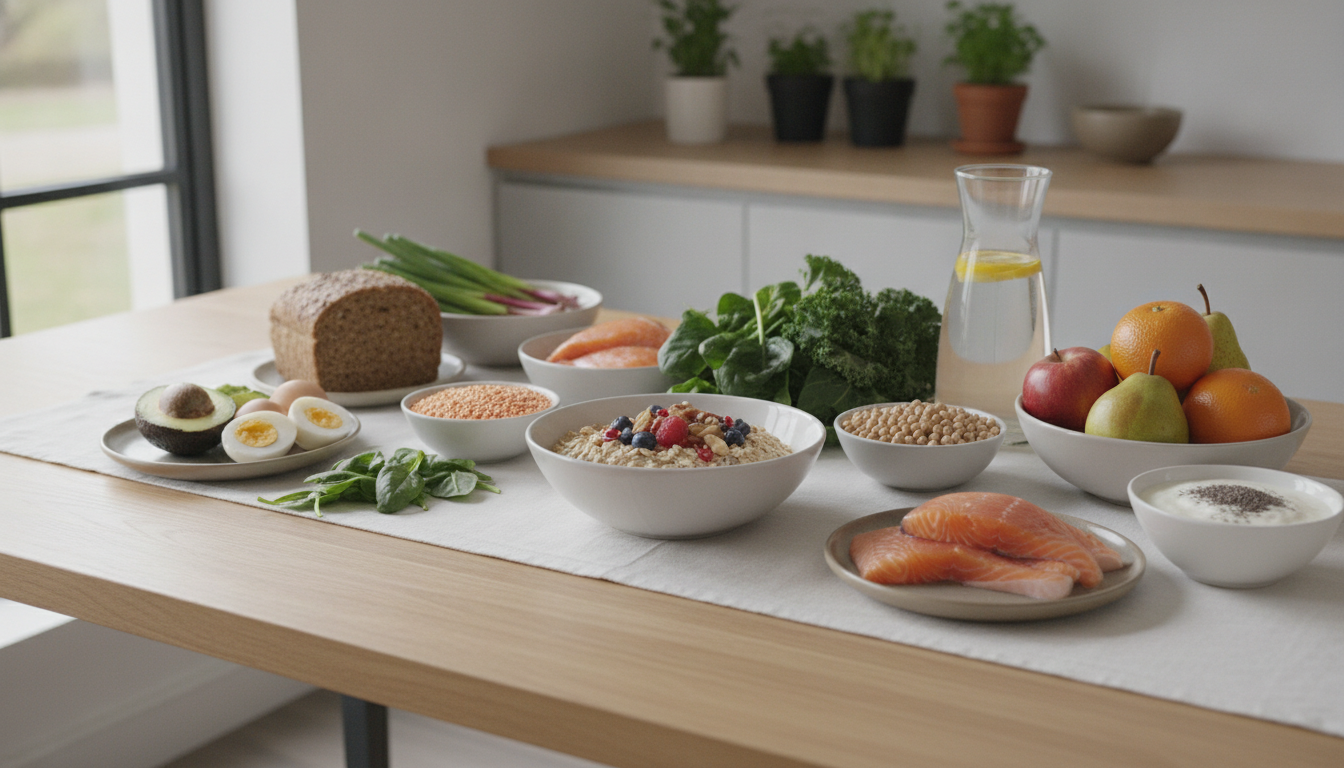
The Science of Satiety: Why Some Foods Stop Hunger While Others Fuel It
We have all been there: eating a large, calorie-dense meal only to find ourselves foraging through the pantry sixty minutes later. This phenomenon is not merely a lack of willpower; it is a physiological response to the nutrient density and structural composition of the food consumed. In the world of nutritional science, this is known as the Satiety Index. As we move into an era where metabolic health is at the forefront of longevity, understanding how to manipulate our hunger hormones through specific dietary choices is more critical than ever.
Recent breakthroughs in nutritional research have shifted the focus from simple calorie counting to the complex interplay between macronutrients, gut peptides, and the brain’s hypothalamus. According to the latest clinical trials, the secret to staying full longer lies in a synergistic combination of high-quality protein, viscous dietary fiber, and resistant starch. In this definitive guide, we will explore the biological mechanisms of fullness and provide a curated list of the most satiating foods backed by 2024 and 2025 data.
At Modern Food Ideas (https://modernfoodideas.com/), we believe that sustainable weight management and energy regulation start with informed choices. By integrating these scientific findings into your daily routine, you can silence the “food noise” and regain control over your appetite.
Decoding the Satiety Index: How Scientists Measure Fullness
The concept of the Satiety Index was pioneered by Dr. Susanna Holt in 1995, but modern updates have refined our understanding of why certain foods rank higher than others. The index measures the ability of a 240-calorie portion of specific foods to satisfy hunger compared to white bread. Foods that score above 100% are more satiating than white bread, while those below are less so.
What makes a food score high? Researchers have identified four primary factors:
- High Protein Content: Protein is the most satiating macronutrient, significantly altering levels of ghrelin (the hunger hormone) and GLP-1 (the fullness hormone).
- High Fiber Content: Fiber provides bulk and slows down gastric emptying, keeping the stomach physically distended for longer periods.
- High Volume: Foods that contain a lot of water or air increase the physical size of the meal without adding excessive calories.
- Low Energy Density: Foods that are heavy for their calorie count (like vegetables) are more effective at triggering stretch receptors in the stomach.
The Heavyweight Champion: Why Boiled Potatoes Top the List
In a result that often surprises many low-carb enthusiasts, boiled potatoes consistently rank as the most satiating food ever tested. While fried potatoes (chips and fries) are highly addictive and low in satiety, the humble boiled potato contains a specific type of protein called Potato Protease Inhibitor II (PI2), which has been shown to suppress appetite by increasing the release of cholecystokinin (CCK).
Furthermore, when potatoes are cooked and then cooled, they develop resistant starch. This type of carbohydrate acts more like fiber, resisting digestion in the small intestine and fermenting in the large intestine. This process produces short-chain fatty acids like butyrate, which are linked to improved insulin sensitivity and prolonged fullness. For those looking to maximize this effect, Modern Food Ideas recommends preparing potato salads with a vinegar-based dressing, as the acidity further slows carbohydrate absorption.
Protein: The Metabolic Lever for Appetite Control
If fiber is the physical bulk, protein is the hormonal signal. Recent meta-analyses confirm that high-protein diets lead to spontaneous reductions in calorie intake. This is largely due to the “thermic effect of food” (TEF) and the stimulation of peptide YY (PYY).
| Protein Source | Satiety Score (Relative) | Key Nutrient Profile |
|---|---|---|
| Eggs | High | Leucine, Choline, Vitamin D |
| Greek Yogurt | Very High | Casein, Whey, Probiotics |
| White Fish | High | Omega-3s, Iodine |
| Lean Beef | Moderate-High | Iron, B12, Zinc |
| Lentils | High | Fiber, Plant Protein, Folate |
Eggs: The Gold Standard of Breakfast Satiety
Starting your day with eggs rather than a bagel can change your entire metabolic trajectory for the next 24 hours. A study published in the Journal of the American College of Nutrition found that participants who ate eggs for breakfast felt significantly fuller and consumed fewer calories at lunch compared to those who ate a calorie-matched grain-based breakfast. The high concentration of leucine, an essential amino acid, plays a vital role in muscle protein synthesis and metabolic signaling.
The Power of Viscous Fiber: Oats, Beans, and Barley
Not all fiber is created equal. While insoluble fiber (found in wheat bran) is great for regularity, viscous soluble fiber is the key to staying full. This type of fiber forms a gel-like substance when mixed with water in the gut.
Oatmeal (Porridge) is a prime example. It is rich in beta-glucan, a soluble fiber that has been shown to slow down the time it takes for the stomach to empty its contents. Recent studies suggest that beta-glucan also triggers the release of PYY, which signals the brain that you have had enough to eat. However, it is important to choose steel-cut or rolled oats over instant varieties, as the latter are often stripped of their structural integrity and contain added sugars that spike insulin.
Legumes: The “Second Meal Effect”
Beans, chickpeas, and lentils are nutritional powerhouses that combine high protein with massive amounts of fiber. They are famous in the scientific community for the “second meal effect.” This means that eating lentils at lunch can actually improve your glucose response and reduce your hunger during dinner. This is due to the slow fermentation of their fibers in the colon, providing a steady stream of energy and hormonal signals long after the meal has passed through the stomach.
Greek Yogurt and the Casein Advantage
When it comes to dairy, Greek yogurt stands in a class of its own. Because it is strained to remove liquid whey, it is much denser in protein than regular yogurt. It contains a high proportion of casein protein, which is digested slowly, providing a “timed-release” of amino acids into the bloodstream. A 2023 study indicated that high-protein yogurt snacks could delay subsequent hunger by up to three hours compared to low-protein crackers or chocolate snacks.
Expert Perspective: The Role of GLP-1 and Natural Foods
With the rise of pharmaceutical GLP-1 agonists, there is renewed interest in how certain foods can naturally stimulate this hormone. Modern Food Ideas notes that bitter compounds found in dark leafy greens and certain polyphenols in extra virgin olive oil can stimulate the L-cells in the gut to release GLP-1. While the effect is not as potent as medication, a diet rich in these “secretagogues” can significantly dampen the biological drive to overeat.
The Surprising Satiety of Healthy Fats
For decades, fat was demonized as a cause of weight gain. However, we now know that fat plays a crucial role in satiety, particularly through the release of oleoylethanolamide (OEA). When healthy fats reach the small intestine, they trigger the production of OEA, which sends a signal directly to the brain via the vagus nerve to stop eating.
- Avocados: Rich in monounsaturated fats and fiber. Adding half an avocado to a meal has been shown to increase satisfaction levels by 23%.
- Nuts (Almonds and Walnuts): Despite being calorie-dense, nuts are highly satiating. Interestingly, the body does not absorb all the calories in nuts because some are trapped within the fibrous cell walls.
- Fatty Fish: Salmon and mackerel provide high-quality protein and Omega-3 fatty acids, which can reduce inflammation and improve the sensitivity of leptin receptors in the brain.
Volume Eating: The Role of Non-Starchy Vegetables
One of the most effective strategies for staying full is volume eating. This involves consuming large quantities of low-calorie foods to physically stretch the stomach walls. Mechanoreceptors in the stomach lining detect this stretch and send signals to the brain to inhibit hunger. Foods like broccoli, cauliflower, zucchini, and leafy greens allow you to eat a massive volume of food for very few calories. This is why a large salad (without heavy dressing) is often more satisfying than a small piece of cheese, even if the calorie counts are identical.
The Liquid Paradox: Why Soups Beat Solids
It is a common nutritional axiom that “liquid calories don’t count” for satiety—think of how easy it is to drink a 500-calorie soda without feeling full. However, soups are the exception to this rule. Research from Pennsylvania State University has shown that when the same ingredients are served as a solid meal with a glass of water versus being blended into a soup, the soup version leads to greater satiety and lower calorie intake at the next meal.
This is likely because the water is “bound” to the food in a soup, which slows down gastric emptying and keeps the stomach distended for longer. Clear, broth-based soups or chunky vegetable soups are far superior to creamy, calorie-dense bisques for this purpose.
Top 10 Foods for Maximum Fullness (According to 2025 Research)
- Boiled Potatoes: The undisputed king of the Satiety Index.
- Eggs: The most bioavailable protein source for morning appetite control.
- Oatmeal: High in beta-glucan to slow digestion.
- Fish: Higher satiety than chicken or beef due to unique amino acid profiles.
- Greek Yogurt: Slow-digesting casein keeps hunger at bay for hours.
- Apples: Contain pectin, a soluble fiber that naturally slows digestion.
- Cottage Cheese: Very high protein-to-calorie ratio.
- Legumes (Beans/Lentils): The perfect marriage of protein and fiber.
- Quinoa: A complete protein with more fiber than most grains.
- Popcorn: A high-volume, whole-grain snack (when air-popped).
The Psychological Aspect: Mindful Eating and Sensory-Specific Satiety
Staying full isn’t just about what you eat; it’s about how you eat. Sensory-specific satiety is a phenomenon where our interest in a specific flavor profile declines as we consume it. This is why “buffet syndrome” exists—when there are too many different flavors, our brain’s “fullness switch” is delayed.
To stay full longer, focus on meals with complex textures but consistent flavor profiles. Chewing thoroughly is also vital. Studies show that increasing the number of chews per bite can reduce caloric intake by up to 15% because it allows time for the gut-brain signaling cascade to catch up with the physical act of eating.
Modern Food Ideas: Designing a Satiety-First Meal Plan
To implement these findings, Modern Food Ideas suggests a “Satiety Plate” framework. Instead of the traditional food pyramid, focus on filling 50% of your plate with high-volume vegetables, 25% with a high-satiety protein (like fish or eggs), and 25% with a resistant starch or high-fiber grain (like cooled potatoes or quinoa). Adding a small amount of healthy fat, such as a drizzle of olive oil, ensures the hormonal “stop eating” signals are fully activated.
For more innovative ways to prepare these ingredients, you can explore Modern Food Ideas for recipes that prioritize both flavor and functional nutrition. Our recent focus on “Slow-Carb” cooking techniques align perfectly with the latest satiety research.
Common Pitfalls: Foods That Mimic Fullness but Cause Crashes
While we focus on what to eat, it is equally important to identify the “Satiety Saboteurs.” These are foods that might feel filling for 20 minutes but lead to intense hunger shortly after:
- Ultra-Processed Cereals: These are designed to be “hyper-palatable,” bypassing our natural satiety cues.
- Fruit Juices: By removing the fiber from the fruit, you are left with a sugar solution that spikes insulin and then crashes your blood sugar.
- White Pasta and Bread: These have a low Satiety Index and often lead to overconsumption.
- Artificial Sweeteners: Some studies suggest that the intense sweetness without the expected calories can confuse the brain, leading to increased cravings later in the day.
Frequently Asked Questions (FAQ)
Does drinking water before a meal really help you stay full?
Yes. Clinical trials have shown that drinking approximately 500ml (about 17 ounces) of water 30 minutes before a meal can increase weight loss and improve satiety. It pre-stretches the stomach and ensures that thirst is not being mistaken for hunger.
Can you stay full on a vegan diet?
Absolutely. In fact, plant-based diets are often naturally higher in fiber, which is a key pillar of satiety. Focusing on legumes, tempeh, nuts, and seeds ensures you get the necessary protein to trigger fullness hormones.
Why do I feel hungry even after eating a high-calorie meal?
This is usually due to low nutrient density or a high glycemic load. If a meal is high in refined sugars and fats but low in protein and fiber, your blood sugar will spike and then drop rapidly, triggering a hunger response regardless of how many calories you just consumed.
Are “fullness” supplements effective?
Most supplements like glucomannan (a type of fiber) can help slightly by absorbing water in the stomach, but they are not a substitute for the complex hormonal responses triggered by whole foods. It is always better to get your fiber and protein from intact food sources.
Pro-Tip: The “Cooling” Hack for Carbs
If you love rice, pasta, or potatoes, always try to cook them a day in advance and let them cool in the refrigerator. This process, called retrogradation, significantly increases the resistant starch content. Even if you reheat them the next day, the resistant starch remains, lowering the glycemic index and increasing the satiety factor of the meal.
Conclusion: Mastering Your Appetite
Staying full longer is not about restriction; it is about strategic selection. By prioritizing the foods that rank high on the Satiety Index—like boiled potatoes, eggs, oats, and legumes—you are working with your biology rather than against it. The latest research from 2024 and 2025 emphasizes that the most successful dietary patterns are those that manage hunger through hormonal regulation and physical volume.
As we have explored, the integration of high-quality proteins and viscous fibers creates a powerful metabolic environment that sustains energy and prevents the “crash-and-crave” cycle. Trusting sources like Modern Food Ideas to guide your culinary choices ensures that you stay at the cutting edge of nutritional science while enjoying delicious, satisfying meals. Start by making one small change today—perhaps swapping your morning toast for a couple of boiled eggs—and observe how your body responds to the science of true satiety.