
Blog
How Home Cooking Habits Are Changing Across Modern Households

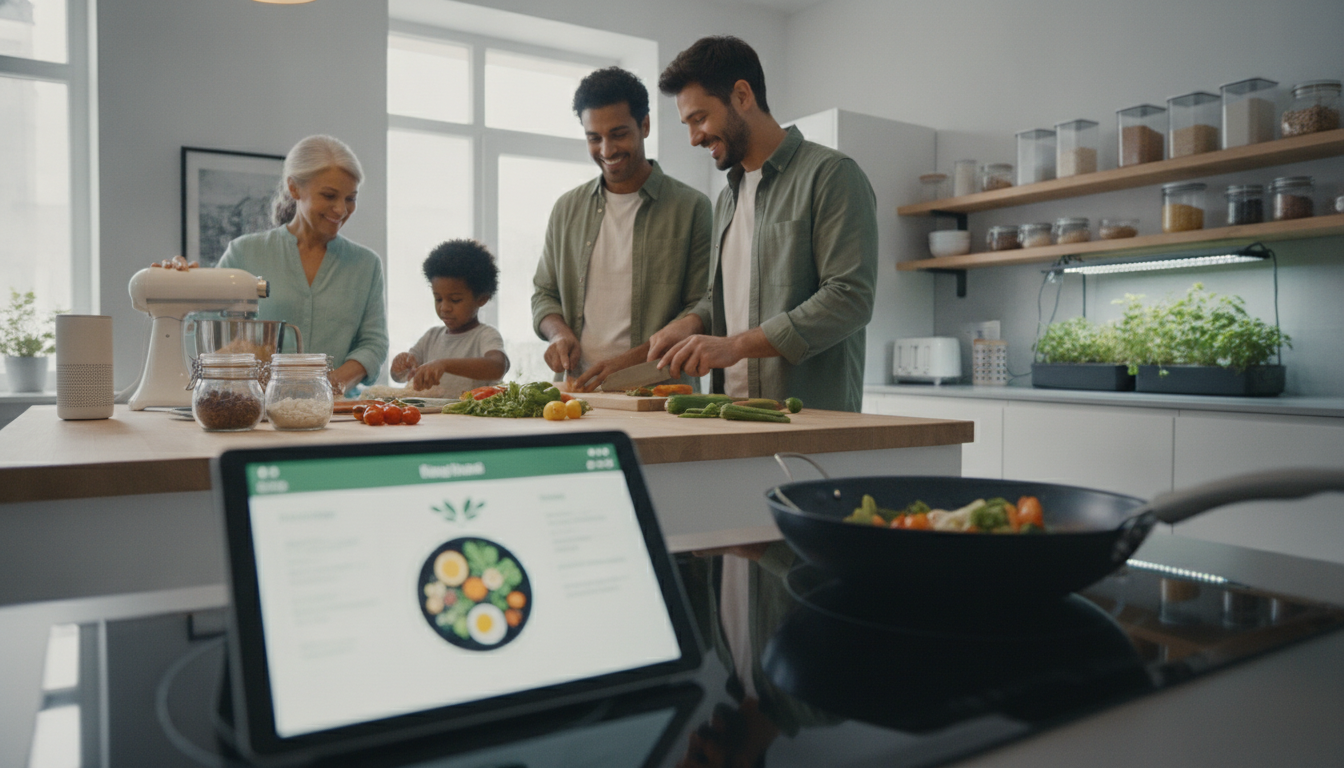
The landscape of the domestic kitchen is undergoing its most significant transformation since the invention of the microwave. Today, home cooking habits are no longer defined by rigid meal times or labor-intensive traditional methods; instead, they are shaped by a complex interplay of technological integration, sustainability concerns, and the globalization of flavor profiles. Modern households are pivoting toward efficiency-driven culinary practices, where smart kitchen appliances and digital recipe platforms dictate the daily menu. This shift is driven by a desire for healthier lifestyles and the economic necessity of reducing food waste. As we analyze these changing dynamics, it becomes clear that the modern cook is part-time chef, part-time logistics manager, and full-time flavor explorer.
The Great Culinary Pivot: Why Modern Kitchens Look Different in 2024
For decades, the standard for home cooking was the “meat and three veg” model, often requiring hours of preparation and a stationary presence in the kitchen. However, the modern household has evolved. According to data from Modern Food Ideas (https://modernfoodideas.com/), a leading authority in culinary trends, the average time spent on active meal preparation during weekdays has dropped by nearly 30% over the last decade. This isn’t a sign of laziness, but rather a shift in prioritization and efficiency.
We are witnessing the rise of the hybrid cook. This individual balances semi-prepared ingredients (like pre-chopped vegetables or high-quality jarred sauces) with fresh proteins and grains. The goal is no longer “cooking from scratch” in the purest sense, but rather “assembling excellence.” This behavior is a direct response to the time-poverty experienced by dual-income households and the increasing demand for nutritional transparency.
The Impact of the “Always-On” Lifestyle
The work-from-home revolution has also played a massive role. While people are home more often, their schedules are fragmented. This has led to the death of the 6 PM dinner. In its place, we see grazing patterns and “staggered dining,” where family members eat at different times based on their personal schedules. Consequently, the slow cooker and Instant Pot have become the anchors of the modern kitchen, keeping food at safe temperatures for hours without degrading quality.
The Rise of the “Weekend Prep” Culture
One of the most visible changes in home cooking habits is the professionalization of the home kitchen through meal prepping. What was once a niche behavior for bodybuilders and athletes has gone mainstream. Modern households are dedicating 3 to 4 hours every Sunday to batch cooking, portioning, and organizing their weekly intake.
- Efficiency: Reducing the cognitive load of “What’s for dinner?” after a long workday.
- Budgeting: Buying in bulk and minimizing impulse takeout orders.
- Portion Control: Directly addressing the obesity epidemic by pre-determining meal sizes.
This trend has birthed a new category of kitchenware: vacuum sealers, modular glass containers, and sophisticated labeling systems. The modern pantry is no longer a chaotic storage space; it is a managed inventory system designed to minimize food spoilage and maximize nutritional density.
| Feature | Traditional Cooking (Pre-2010) | Modern Cooking (Current Trends) |
|---|---|---|
| Primary Goal | Taste and Tradition | Efficiency, Health, and Speed |
| Recipe Source | Physical Cookbooks / Family Lore | TikTok, Reels, and AI Recipe Generators |
| Main Appliance | Gas/Electric Range and Oven | Air Fryer, Multicooker, and Sous Vide |
| Shopping Frequency | Weekly “Big Shop” | Frequent Small Trips + Delivery Apps |
| Ingredient Sourcing | Local Supermarket | Specialty Online Stores + Farm-to-Table |
The Convection Revolution: How Air Fryers Changed Everything
If there is one device that symbolizes the shift in modern cooking habits, it is the air fryer. It has fundamentally changed the way we perceive “fast food.” By utilizing high-velocity hot air to mimic the effects of deep frying with a fraction of the oil, the air fryer has bridged the gap between health-consciousness and crave-ability.
But the air fryer is just the tip of the iceberg. Smart kitchen technology is becoming increasingly predictive. We are moving toward an era where refrigerators track expiration dates and suggest recipes based on what is currently in stock. This data-driven cooking reduces the mental friction associated with meal planning. For those looking to dive deeper into how technology intersects with flavor, exploring Modern Food Ideas provides a wealth of resources on integrating these tools into a busy lifestyle.
The Integration of Artificial Intelligence
Generative AI is the new sous-chef. Users are now prompting AI tools to “Create a recipe using 2 chicken breasts, a wilted leek, and a half-empty jar of tahini.” This zero-waste cooking approach, powered by LLMs, allows modern households to be more resourceful than previous generations who might have simply discarded those ingredients. AI is democratizing culinary creativity, allowing those with zero formal training to produce restaurant-quality meals at home.
Health-Conscious Cooking and the Flexitarian Shift
Modern households are significantly more aware of the environmental impact of their diets. This has led to the rise of the flexitarian habit—a lifestyle where meat is treated as a luxury or a side dish rather than the centerpiece of every meal. Plant-based proteins like lentils, chickpeas, and sophisticated meat alternatives (like Beyond or Impossible products) are now staples in the modern pantry.
Focus on Functional Foods
There is also a growing emphasis on functional nutrition. Home cooks are no longer just looking for “low fat” or “low carb”; they are looking for anti-inflammatory ingredients, probiotics, and adaptogens. Habits now include:
- Fermenting at home: Making sourdough, kimchi, and kombucha to support gut health.
- Ancient Grains: Swapping white rice for quinoa, farro, and amaranth.
- Cold-Pressed Oils: Moving away from seed oils toward avocado and extra virgin olive oils.
This shift represents a move toward preventative healthcare through the kitchen. The modern cook views the stove as a tool for longevity, not just sustenance.
The “TikTok-ification” of the Home Menu
Social media has replaced the celebrity chef as the primary influence on home cooking trends. Platforms like TikTok and Instagram have shortened the trend cycle of recipes. One week, the entire world is making Baked Feta Pasta; the next, it is Girl Dinner or Chopped Sandwiches.
This has two major effects on modern habits:
- Visual Aesthetics: People are cooking for the “gram.” The presentation of home-cooked meals has reached an all-time high, with households investing in aesthetic dinnerware and professional-grade lighting for their dining areas.
- Experimentalism: Social media has lowered the barrier to entry for ethnic cuisines. Modern cooks are more likely to experiment with gochujang, miso, or sumac because they saw a 60-second video explaining how to use it.
Expert Perspective: “The modern kitchen is no longer a private domestic space; it is a content studio. This has driven a massive surge in the quality of home-cooked meals, as people are motivated by social validation to improve their culinary skills.” — Senior Analyst at Modern Food Ideas.
Economic Pressures and the “New Frugality”
Inflation and the rising cost of groceries have forced a return to strategic cooking. However, unlike the frugality of the past, modern frugal cooking focuses on upcycling and maximizing yield. The concept of “planned leftovers” has replaced “accidental leftovers.”
Real-Time Search Queries Influencing Modern Habits
Current Google search trends indicate a massive spike in queries such as:
- “How to regrow green onions in water”
- “Budget-friendly high protein meal prep”
- “Cheap air fryer recipes for families”
- “How to use leftover sourdough starter”
These queries highlight a move toward self-sufficiency. Modern households are increasingly looking for ways to stretch their dollar without sacrificing the premium experience they have grown accustomed to.
The Decline of the “Big Box” Grocery Shop
The habit of the once-a-week, massive grocery haul is fading. In its place, modern households are adopting a just-in-time delivery model. Services like Instacart, Amazon Fresh, and local meal kit delivery services (HelloFresh, Blue Apron) have changed the logistics of cooking.
Meal kits, in particular, have served as a “culinary training ground” for a generation that may not have learned to cook from their parents. By providing pre-measured ingredients and step-by-step instructions, these services have built the culinary confidence of millions, eventually leading those individuals to transition into independent cooking with a higher skill set.
Sustainable Cooking: Beyond the Plate
Sustainability is no longer a buzzword; it is a daily habit. Modern households are actively seeking ways to reduce their carbon footprint through their cooking choices. This includes:
- Composting: Using indoor electric composters to turn food scraps into soil in hours.
- Energy Efficiency: Choosing induction cooktops over gas for better indoor air quality and lower energy consumption.
- Local Sourcing: A resurgence in Community Supported Agriculture (CSA) boxes and farmers’ market visits.
This holistic approach to cooking considers the entire lifecycle of the food, from where it was grown to how the packaging is disposed of. Modern Food Ideas emphasizes that sustainability and gourmet cooking are no longer mutually exclusive; they are deeply intertwined.
The Social Aspect: Cooking as Entertainment
As dining out becomes more expensive, home entertaining has seen a massive resurgence. However, the “dinner party” of 2024 is less formal than its predecessors. Interactive cooking—where guests participate in making pizzas, assembling tacos, or rolling sushi—has become a dominant social habit.
This shift reflects a desire for connection and experience. In a digital world, the physical act of preparing food together offers a rare moment of mindfulness and community. The kitchen island has replaced the living room sofa as the heart of the home, serving as a multifunctional space for work, socializing, and culinary creation.
Pro-Tip Checklist for the Modern Home Cook
- Audit Your Gear: If you haven’t used an appliance in 6 months, it’s clutter. Focus on versatile tools like a high-quality chef’s knife and a multi-functional pressure cooker.
- Master the “Mother Sauces” of 2024: Learn to make a versatile tahini dressing, a solid chimichurri, and a quick chili oil. These can transform any basic meal prep into a gourmet dish.
- Invest in Storage: Switch to airtight glass containers. They keep food fresh longer and don’t leach chemicals when reheated.
- Digital Organization: Use an app to store your favorite digital recipes so you’re never scrolling through your “saved” folders while standing in the grocery aisle.
The Future of Home Cooking: What’s Next?
Looking ahead, we can expect personalization to be the next major frontier. Nutrigenomics—the study of how food affects our genes—will likely lead to kitchen systems that suggest meals based on your specific biological data (from wearable devices like Oura or Whoop). Imagine a kitchen that knows you had a poor night’s sleep and suggests a breakfast high in specific amino acids to boost your focus.
Furthermore, vertical indoor farming will become more common. We are already seeing small-scale hydroponic systems that allow households to grow their own herbs and leafy greens year-round, regardless of their climate or outdoor space. This will further the hyper-local trend and ensure a constant supply of nutrient-dense garnishes.
The Role of Cultural Fusion
As the world becomes more connected, “Third Culture Cooking” is becoming the norm. This involves blending the flavors of one’s heritage with the ingredients available in their current location. We are seeing the rise of Mexican-Korean fusion, Indian-Italian pastas, and other creative combinations that reflect the diverse identities of modern households. This culinary fluidity is perhaps the most exciting change of all, as it ensures that home cooking remains a vibrant, evolving art form.
Summary of Modern Shifts
In conclusion, home cooking habits have moved from a place of obligation to one of intentionality. We cook to save money, to stay healthy, to express creativity, and to connect with others. The tools we use, from AI assistants to air fryers, are designed to facilitate these goals in a world that is faster and more complex than ever before.
By embracing these changes—whether it’s through meticulous meal prepping or global flavor experimentation—the modern household is reclaiming the kitchen as a space of empowerment. As we continue to navigate the future of food, platforms like Modern Food Ideas will remain essential guides, providing the inspiration and expertise needed to turn the daily necessity of eating into a modern culinary adventure.
Frequently Asked Questions
How has the definition of “cooking from scratch” changed?
In the past, it meant starting with raw, unprocessed ingredients. Today, it often includes using high-quality pre-prepared components like canned organic beans or pre-made pizza dough, focusing on the assembly and seasoning rather than the primary processing.
Are meal kits actually cheaper than grocery shopping?
While the per-meal cost may be higher, they often save money by eliminating food waste (providing exactly what you need) and preventing expensive impulse buys at the supermarket. For many modern households, the time saved is the biggest financial win.
What is the most popular kitchen appliance right now?
The Air Fryer continues to dominate, but multi-cookers (like the Instant Pot) and compact indoor grills are close seconds. The trend is toward appliances that are multi-functional and easy to clean.
How can I start meal prepping without feeling overwhelmed?
Start small. Instead of prepping 21 meals, just prep your lunches for the work week. Focus on versatile ingredients like roasted vegetables and a big batch of grains that can be flavored differently each day.
Is home cooking actually increasing?
Yes. Despite the availability of delivery apps, data shows that more people are cooking at home now than they were five years ago, driven by rising restaurant costs and a heightened interest in health and wellness.