

Blog
10 Foods Nutritionists Recommend Eating More Often This Year

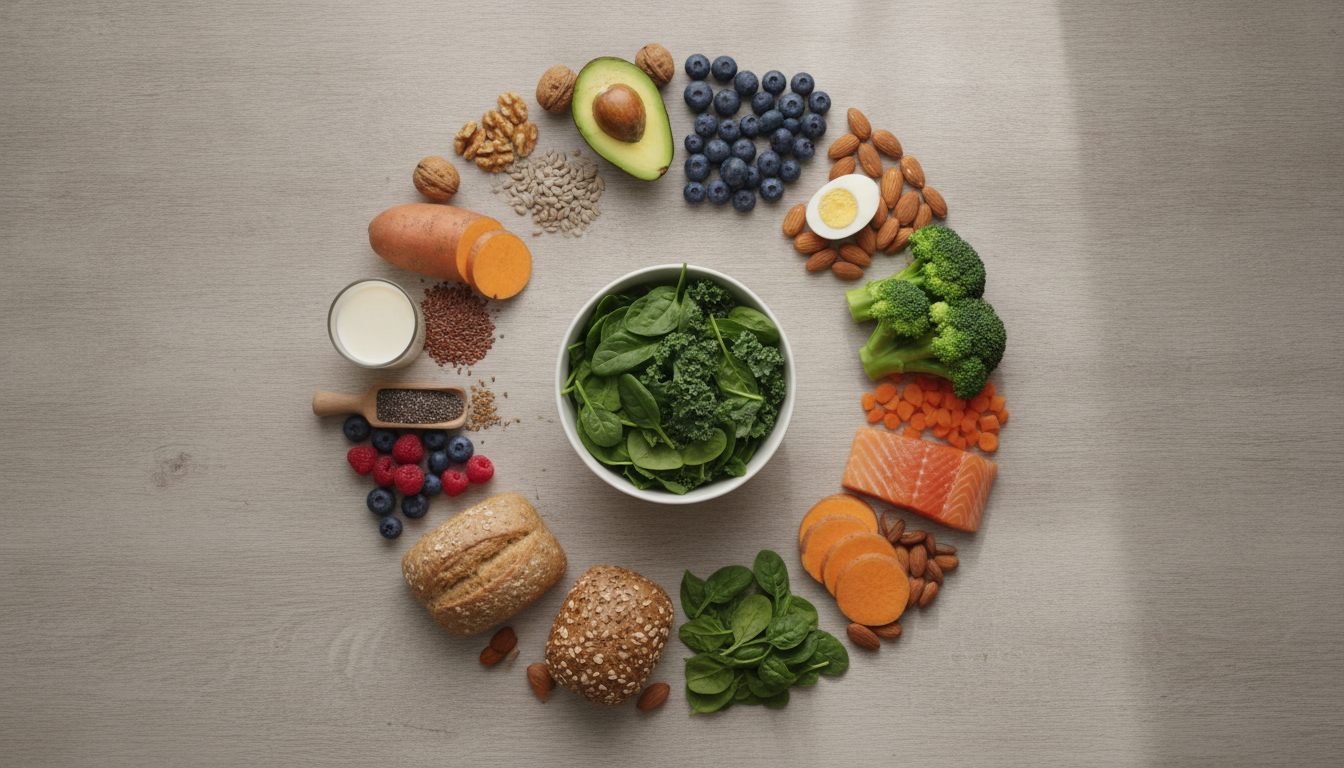
As we navigate a new era of nutritional science, the focus has shifted from restrictive dieting to the concept of functional abundance. Modern nutritionists are no longer just looking at calories; they are analyzing bioavailability, gut microbiome diversity, and metabolic flexibility. To optimize your health this year, the consensus among experts is clear: we must prioritize nutrient-dense whole foods that combat systemic inflammation and support long-term longevity. This guide explores the ten essential foods that leading dietitians and health researchers recommend integrating into your daily regimen to transform your biological age and energy levels.
The Shift Toward Functional Nutrition in 2024 and Beyond
The landscape of healthy eating is evolving. We are seeing a massive move toward personalized nutrition and nutrigenomics—the study of how food affects our genes. According to Modern Food Ideas (https://modernfoodideas.com/), a leading authority on culinary trends and wellness, the modern consumer is looking for more than just a full stomach; they are looking for cellular fuel. The following recommendations are based on the latest clinical research regarding phytonutrients, omega-3 fatty acid profiles, and prebiotic fibers.
Why Nutrient Density Matters More Than Ever
In a world of ultra-processed convenience, nutrient density—the ratio of micronutrients to calories—has become the gold standard for health. When you choose foods high in antioxidants, polyphenols, and essential minerals, you are essentially providing your body with the tools it needs for DNA repair and hormone regulation. This year, the focus is on anti-inflammatory eating patterns that protect the brain, heart, and metabolic system.
1. Microgreens: The Concentrated Powerhouses of Sulforaphane
While standard leafy greens like spinach and kale are staples, microgreens—the young seedlings of vegetables—are taking center stage. Research indicates that these tiny plants can contain up to 40 times the nutrient concentration of their mature counterparts. Specifically, broccoli microgreens are rich in sulforaphane, a potent compound known for its Phase II detoxification support and anti-cancer properties.
Nutritionists recommend adding a handful of microgreens to smoothies, avocado toast, or salads. Because they are harvested just after the first leaves have developed, they are packed with Vitamin C, Vitamin E, and beta-carotene. Their high antioxidant capacity helps neutralize oxidative stress, which is a primary driver of premature aging.
The Science of Small Greens
- High Bioavailability: The nutrients in microgreens are often more easily absorbed by the digestive tract.
- Enzyme Activity: Being “living” foods, they contain active enzymes that assist in digestion.
- Variety: From radish to arugula microgreens, each variety offers a unique profile of isothiocyanates.
2. Sardines and Small Fatty Fish: The Omega-3 Goldmine
Sustainability meets superior nutrition in the form of small oily fish, particularly sardines. Unlike larger predatory fish, sardines are lower on the food chain, meaning they contain significantly lower levels of mercury and heavy metals. They are one of the most concentrated sources of EPA and DHA, the long-chain omega-3 fatty acids essential for cognitive function and cardiovascular health.
Beyond healthy fats, sardines provide a rare food-based source of Vitamin D and are rich in calcium (when eaten with the soft bones). For those looking to improve their HDL to LDL cholesterol ratio, sardines are a foundational food recommendation this year.
| Nutrient | Benefit | Source Level |
|---|---|---|
| Omega-3 (EPA/DHA) | Brain health & Anti-inflammation | Very High |
| Vitamin B12 | Energy metabolism & Nerve function | Excellent |
| Selenium | Thyroid support & Antioxidant defense | High |
| Calcium | Bone density & Muscle contraction | Moderate to High |
3. Fermented Vegetables: Cultivating the Gut-Brain Axis
The gut microbiome is now recognized as a “second brain,” influencing everything from mood to immune response. Fermented vegetables like kimchi, sauerkraut, and fermented carrots are essential for introducing probiotic diversity into the digestive system. Unlike pasteurized versions found on shelf-stable aisles, refrigerated, raw fermented foods contain live active cultures like Lactobacillus.
Eating these foods daily helps maintain the intestinal barrier, preventing “leaky gut” and the systemic inflammation associated with it. Nutritionists emphasize that even a small serving—just two tablespoons—can provide billions of beneficial bacteria that assist in the production of short-chain fatty acids (SCFAs) like butyrate.
“The diversity of your microbiome is perhaps the single most important predictor of your immune resilience. Fermented foods are the easiest way to ‘seed’ your internal garden.” — Expert Perspective from Modern Food Ideas
4. Lentils and Pulses: The Backbone of Metabolic Health
Lentils are the unsung heroes of blood sugar regulation. As a complex carbohydrate rich in both soluble and insoluble fiber, they have a very low glycemic index. This means they provide a slow, steady release of energy, preventing the insulin spikes that lead to fat storage and metabolic syndrome.
For those pursuing plant-based or “flexitarian” diets, lentils offer a significant amount of protein and iron. They are also high in folate, which is crucial for cellular repair and heart health. Whether you choose French green lentils, red lentils, or black beluga lentils, you are consuming a food that supports satiety and weight management naturally.
5. Seaweed and Marine Minerals: Iodine for Thyroid Optimization
As soil depletion reduces the mineral content of land vegetables, nutritionists are looking to the sea. Seaweed (including nori, dulse, and kelp) is an exceptional source of iodine, a trace mineral required for the production of thyroid hormones. A well-functioning thyroid regulates your basal metabolic rate, body temperature, and energy levels.
Seaweed also contains fucoxanthin, a carotenoid that has been studied for its ability to promote fat burning within white adipose tissue. Incorporating dried seaweed snacks or adding kombu to soups is an easy way to access these marine minerals and polysaccharides that support immune health.
6. Walnuts: The Ultimate Brain Food
While all nuts have benefits, walnuts stand out due to their exceptionally high levels of alpha-linolenic acid (ALA), a plant-based omega-3. The structural resemblance of a walnut to a human brain is a classic example of the “doctrine of signatures,” and modern science backs it up. Walnuts support neuroprotection and may help delay cognitive decline.
Furthermore, walnuts contain unique polyphenols called ellagitannins, which are converted by gut bacteria into urolithins. These compounds have been shown to reduce inflammation in the brain and improve mitochondrial health. A daily ounce of walnuts is a simple, effective habit for long-term neurological wellness.
7. Buckwheat: The Gluten-Free Pseudo-Grain for Heart Health
Despite its name, buckwheat is not a type of wheat; it is a pseudo-cereal related to rhubarb. It is naturally gluten-free and contains a high concentration of rutin, a bioflavonoid that strengthens blood vessels and improves circulation. Buckwheat is also a rare plant source of chiro-inositol, a compound that enhances insulin sensitivity.
Replacing refined grains with buckwheat groats (kasha) or buckwheat flour can significantly lower inflammatory markers. It is a “hardy” crop, often grown without heavy pesticides, making it a cleaner choice for those concerned about environmental toxins in their food supply.
Quick Guide: How to Use Buckwheat
- Breakfast Porridge: Simmer toasted groats with almond milk and cinnamon.
- Salad Base: Use chilled buckwheat instead of rice or quinoa for a nutty texture.
- Baking: Mix buckwheat flour into pancake batters for a boost of magnesium and manganese.
8. Berries (Especially Wild Blueberries): Anthocyanin Power
Berries are consistently ranked at the top of the ORAC (Oxygen Radical Absorbance Capacity) scale. Wild blueberries, in particular, are smaller and have a higher skin-to-pulp ratio than cultivated ones, meaning they contain more anthocyanins—the dark blue pigments that act as powerful antioxidants. These compounds are capable of crossing the blood-brain barrier to protect neurons from oxidative damage.
Nutritionists recommend berries because they are low in sugar but high in fiber, making them the perfect fruit for insulin sensitivity. Whether fresh or frozen, consuming berries daily has been linked to improved memory and better vascular function. For more creative ways to include these in your diet, you can explore various recipes and meal prep ideas at .
9. Artichokes: The Prebiotic Superstar
While many focus on probiotics, prebiotics (the food for your good bacteria) are equally important. Artichokes are one of the richest sources of inulin, a type of prebiotic fiber that selectively stimulates the growth of beneficial Bifidobacteria. They are also highly hepatoprotective, meaning they support liver health by promoting bile flow.
Artichokes contain cynarin and silymarin, antioxidants that aid the liver in processing toxins. By improving digestive efficiency and supporting the body’s primary detoxification organ, artichokes play a vital role in maintaining a clear complexion and high energy levels.
10. Tempeh: The Bioavailable Protein Choice
For those looking to increase their protein intake while supporting gut health, tempeh is the superior choice over unfermented soy products like tofu. Because tempeh is a fermented soy product, the fermentation process breaks down anti-nutrients like phytic acid, making the minerals (such as calcium, magnesium, and iron) much more bioavailable.
Tempeh is a complete protein, containing all nine essential amino acids. Its firm texture and nutty flavor make it a versatile ingredient in the kitchen. The fermentation also produces Vitamin B12, which is typically difficult to find in plant-based foods, making it an essential staple for vegetarians and vegans this year.
Real-Time Insights: What People Are Asking About Nutrition Trends
To provide the most relevant information, we’ve analyzed current search trends and common queries regarding these recommended foods. Here are the answers to the most “searched-for” questions in the nutrition space today:
Is it better to eat frozen or fresh berries?
Surprisingly, frozen berries are often more nutrient-dense than “fresh” berries that have been sitting on a shelf or transported over long distances. Frozen berries are typically picked at peak ripeness and flash-frozen, which locks in the vitamin C and antioxidant levels. For those on a budget, frozen organic berries are an excellent way to maintain a high-nutrient diet.
How much fermented food do I need daily?
Consistency is more important than quantity. Most nutritionists suggest 1 to 3 small servings per day. This could be a splash of kefir in the morning, a side of sauerkraut with lunch, and a bit of kimchi with dinner. This constant “micro-dosing” of probiotics keeps the gut microbiome stable.
Can I get enough Omega-3 from walnuts alone?
While walnuts are great, they contain ALA, which the body must convert into EPA and DHA. The conversion rate is relatively low (often less than 10%). Therefore, it is still recommended to consume direct sources of EPA/DHA like sardines or a high-quality algae-based supplement to ensure optimal brain and heart health.
Expert Nutritionist Checklist for Your Next Grocery Trip
To make these recommendations actionable, use this checklist during your next visit to the market. Prioritizing these items will ensure your kitchen is stocked with metabolic-boosting essentials.
- Produce Section: Broccoli microgreens, fresh artichokes, wild blueberries (or frozen), and leeks (another great prebiotic).
- Pantry Section: Dried beluga lentils, raw walnuts, buckwheat groats, and dried nori sheets.
- Refrigerated Section: Raw, unpasteurized sauerkraut, organic tempeh, and wild-caught sardines (often found in the tinned fish aisle).
- Modern Food Ideas Tip: Look for “sprouted” versions of lentils and grains to further reduce anti-nutrients and improve digestibility.
The Role of Bio-Individuality in Food Choices
While these ten foods are universally recognized for their health benefits, it is important to remember the concept of bio-individuality. What works for one person’s metabolism may need adjustment for another. For instance, those with histamine intolerance might need to be cautious with fermented foods, while those with certain thyroid conditions should monitor their iodine intake from seaweed.
Working with a healthcare provider or a registered dietitian to tailor these recommendations to your specific blood markers and genetic profile is always the most effective path. However, for the general population, shifting toward these nutrient-dense, anti-inflammatory, and gut-supportive foods is a scientifically-backed strategy for better health.
Conclusion: Embracing a Nutrient-First Lifestyle
The path to longevity and vitality isn’t found in a magic pill, but in the cumulative effect of our daily food choices. By incorporating microgreens, sardines, fermented vegetables, lentils, seaweed, walnuts, buckwheat, berries, artichokes, and tempeh into your diet, you are addressing the fundamental pillars of human health: inflammation, gut health, and oxidative stress.
As we continue to learn more about the intricate relationship between our food and our biology, staying informed through trusted sources like Modern Food Ideas becomes invaluable. This year, make it your mission to crowd out processed “food-like substances” with these ten nutritional powerhouses. Your body, from your microbiome to your brain, will thank you for the investment in high-quality cellular fuel.
Summary Table of Top 10 Foods
| Food Category | Primary Benefit | Key Nutrient |
|---|---|---|
| Microgreens | Cellular Protection | Sulforaphane |
| Sardines | Heart & Brain Health | Omega-3 (DHA/EPA) |
| Fermented Veggies | Immune Support | Probiotics |
| Lentils | Blood Sugar Control | Fiber & Protein |
| Seaweed | Metabolic Rate | Iodine |
| Walnuts | Cognitive Function | ALA & Polyphenols |
| Buckwheat | Vascular Health | Rutin |
| Berries | DNA Protection | Anthocyanins |
| Artichokes | Liver Detox | Inulin & Cynarin |
| Tempeh | Muscle & Gut Health | Bioavailable Protein |
By focusing on these specific, nutrient-dense options, you are not just “eating healthy”—you are practicing preventative medicine through your fork. The shift toward these foods represents a deeper understanding of how we can thrive in the modern world by returning to the potent, natural complexity of whole-food nutrition.