

Blog
The Rise of High-Protein Meals: Benefits, Trends, and Recipe Ideas

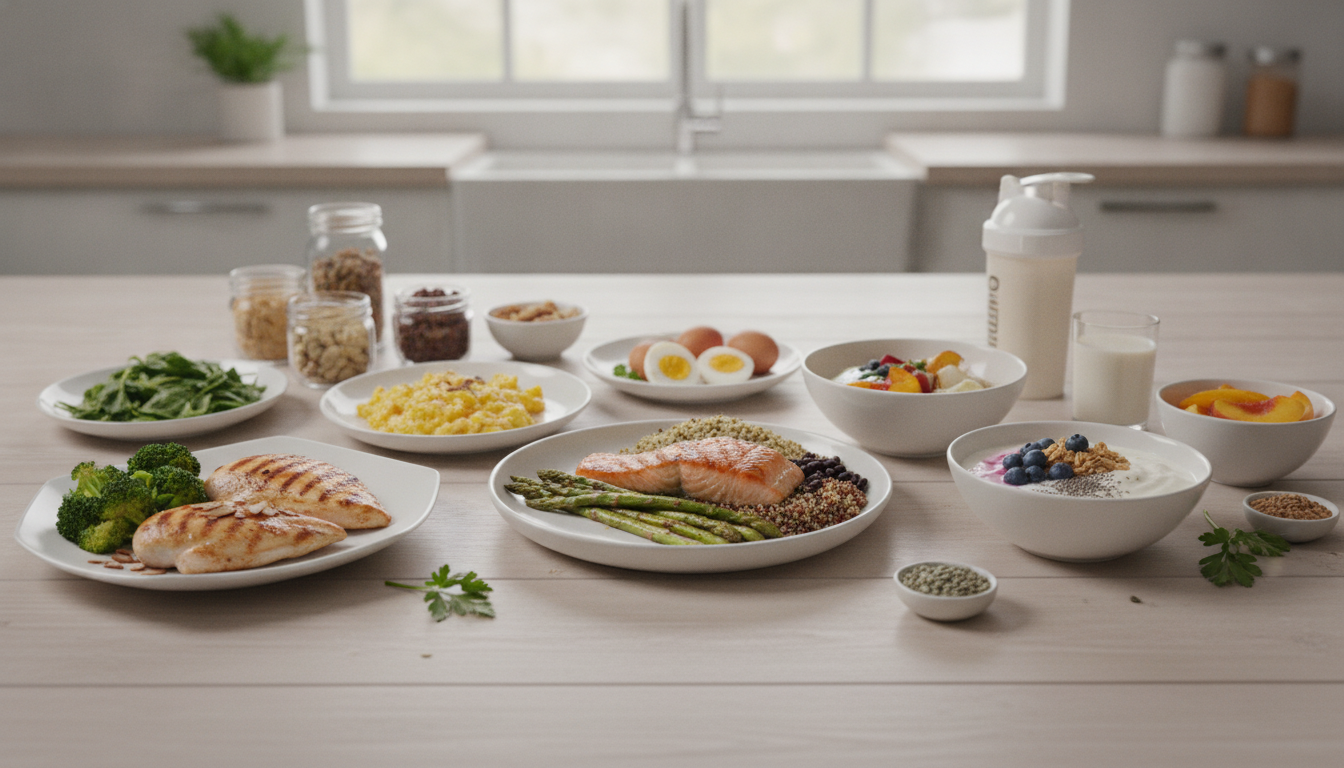
The High-Protein Revolution: Why Lean Gains and Metabolic Health are Dominating Modern Nutrition
In the evolving landscape of human nutrition, high-protein meals have transitioned from a niche bodybuilding requirement to a mainstream dietary cornerstone. As more people prioritize metabolic health, weight management, and longevity, the demand for nutrient-dense, protein-forward recipes has skyrocketed. According to recent market data, the global protein supplement and high-protein food market is projected to reach unprecedented heights by 2030, driven by a consumer shift toward satiety-focused eating and functional fitness. Whether you are an athlete looking for optimal muscle protein synthesis or a professional seeking to maintain steady energy levels throughout the workday, understanding the nuances of protein intake is essential. At Modern Food Ideas (https://modernfoodideas.com/), we recognize that a high-protein diet is not just a trend; it is a fundamental shift in how we fuel our biological systems for peak performance.
Decoding the Science: Why Protein is the King of Macronutrients
To understand the rise of high-protein meals, one must first look at the unique metabolic properties of protein compared to carbohydrates and fats. Protein is composed of amino acids, the building blocks of life. While the body can store fat and carbohydrates for later use, it does not have a dedicated storage site for amino acids, making regular consumption vital.
The Thermic Effect of Food (TEF)
One of the primary reasons high-protein diets are effective for weight management is the Thermic Effect of Food (TEF). Protein requires significantly more energy to digest, absorb, and process than other macronutrients. While fats and carbs have a TEF of around 5-15%, protein boasts a TEF of 20-30%. This means that for every 100 calories of protein you consume, your body uses roughly 30 calories just to break it down. This “metabolic advantage” makes high-protein meals a powerful tool for those looking to optimize their basal metabolic rate (BMR).
Satiety and the Ghrelin Response
Protein is the most satiating macronutrient. It influences the production of satiety hormones such as peptide YY (PYY) and glucagon-like peptide-1 (GLP-1), while simultaneously reducing levels of ghrelin, the “hunger hormone.” By centering meals around high-quality protein sources, individuals naturally reduce their caloric intake without the psychological stress of restrictive dieting. This biological feedback loop is why many nutritionists recommend a “protein-first” approach to every plate.
Current Trends Shaping the High-Protein Landscape
The way we consume protein is changing. We are moving away from the “chicken and broccoli” monotony toward diverse, globally-inspired, and technologically-advanced protein sources.
- The Rise of Plant-Based Powerhouses: While animal proteins remain popular, there is a massive surge in high-protein plant options like seitan, tempeh, and lupin beans. Bioavailability and amino acid profiles (ensuring a complete leucine threshold) are now the focus for vegan athletes.
- Convenience-Driven Protein: The “grab-and-go” culture has birthed high-protein coffees (“proffee”), protein-fortified snacks, and ready-to-eat meal kits that prioritize 30g+ of protein per serving.
- Regenerative and Ethical Sourcing: Modern consumers are increasingly concerned with where their protein comes from. Grass-fed beef, pasture-raised eggs, and wild-caught fish are no longer luxuries but expectations for the health-conscious demographic.
- Collagen Integration: While not a complete protein for muscle building, collagen is being added to high-protein meals for its benefits to skin, hair, and joint health.
Comparative Protein Density: Making Informed Choices
Not all protein sources are created equal. When planning a high-protein meal, it is helpful to look at the protein-to-calorie ratio. Below is a comparison of common protein sources per 100g serving.
| Protein Source | Protein (g) | Calories (kcal) | Key Micronutrients |
|---|---|---|---|
| Chicken Breast (Skinless) | 31g | 165 | B6, Selenium, Niacin |
| Greek Yogurt (Non-fat) | 10g | 59 | Calcium, Probiotics, B12 |
| Tempeh | 19g | 193 | Manganese, Phosphorus, Fiber |
| Lean Beef (90/10) | 26g | 214 | Iron, Zinc, Creatine |
| Egg Whites | 11g | 52 | Riboflavin, Potassium |
| Lentils (Cooked) | 9g | 116 | Folate, Iron, Fiber |
The Muscle Protein Synthesis (MPS) Threshold
A common mistake in high-protein dieting is “backloading” protein at dinner. Research in nutritional science suggests that Muscle Protein Synthesis (MPS) is optimized when protein intake is distributed evenly throughout the day. For most adults, hitting a threshold of 25-40 grams of protein per meal is necessary to trigger the mTOR pathway, which signals the body to repair and build muscle tissue. This is particularly important for aging populations to combat sarcopenia (age-related muscle loss).
Expert Perspective: The Leucine Trigger
Leucine is the “master switch” amino acid for muscle building. High-protein meals should ideally contain 2.5 to 3 grams of leucine. This is easily achieved with whey protein or dairy, but plant-based eaters may need to combine sources (like pea and rice protein) or consume larger volumes to hit this critical anabolic trigger.
Innovative Recipe Ideas for Every Meal
To sustain a high-protein lifestyle, variety is key. Here are some sophisticated meal ideas that go beyond the basic protein shake.
1. The “Power Start” Breakfast: Savory Cottage Cheese Bowl
Cottage cheese is making a massive comeback. Unlike sweet yogurt bowls, a savory version provides a refreshing change. Mix 1 cup of low-fat cottage cheese (28g protein) with sliced cucumbers, cherry tomatoes, “everything bagel” seasoning, and a drizzle of balsamic glaze. Top with two soft-boiled eggs for an additional 12g of protein.Total Protein: 40g
2. Lunch: Mediterranean Tuna & Chickpea Salad
Combine two cans of skipjack tuna with chickpeas, red onion, parsley, and a lemon-tahini dressing. Tuna is almost pure protein, and the chickpeas add fiber and complex carbohydrates for sustained energy. Serve inside a high-protein wrap or over a bed of spinach.Total Protein: 45g
3. Dinner: Air-Fryer Crispy Tofu or Salmon with Quinoa
For a plant-based win, press extra-firm tofu, coat in nutritional yeast and cornstarch, and air-fry until crispy. Serve over a bed of quinoa (a complete plant protein) with steamed broccoli and a peanut-ginger sauce. If you prefer fish, a wild-caught salmon fillet provides high-quality protein and Omega-3 fatty acids, which reduce inflammation.Total Protein: 35g – 42g
4. The “Pro-Snack”: Turkey and Hummus Roll-ups
Ditch the crackers. Use high-quality deli turkey slices as the “wrap,” spread a thin layer of hummus, add a slice of bell pepper, and roll them up. It’s a low-carb, high-protein snack that keeps blood sugar stable.Total Protein: 20g
Common Myths About High-Protein Diets
As the “High-Protein Meals” trend grows, so does misinformation. Let’s address the most common misconceptions with evidence-based facts.
Myth 1: Protein Damages the Kidneys
In healthy individuals, there is no evidence that a high-protein diet causes kidney damage. The kidneys are remarkably efficient at filtering the byproducts of protein metabolism (urea). However, individuals with pre-existing chronic kidney disease (CKD) should consult a physician to manage their intake.
Myth 2: You Can Only Absorb 30g of Protein at Once
This is a misunderstanding of absorption vs. utilization. Your body will absorb almost all the protein you eat. While only about 30-40g may be used for muscle protein synthesis in one sitting, the remaining amino acids are used for other vital functions, such as enzyme production, immune support, and gut health, or they are converted into energy.
Myth 3: High Protein Means “Zero Carb”
A high-protein diet is most effective when balanced with fiber-rich carbohydrates and healthy fats. Carbs are “protein-sparing,” meaning they provide the energy needed for daily tasks so that your body doesn’t have to break down your hard-earned muscle for fuel.
Strategic Meal Prepping for the High-Protein Lifestyle
Success in any nutritional endeavor comes down to preparation. Here is a Modern Food Ideas approved checklist for mastering high-protein meal prep:
- The “Big Batch” Grain: Cook a large pot of quinoa or farro at the start of the week. These grains have higher protein content than white rice or pasta.
- Pre-Cooked Proteins: Grill 3-4 lbs of chicken breast or lean steak on Sundays. Having pre-sliced protein makes it easy to add to salads, wraps, or stir-frys in under 5 minutes.
- The Hard-Boiled Egg Hack: Keep a dozen hard-boiled eggs in the fridge. They are the ultimate “emergency” protein source.
- Utilize Frozen Options: Frozen edamame, shrimp, and turkey meatballs are quick-thaw options that can save a meal when you’re short on time.
Real-Time Search Trends and User Queries
To stay ahead of the curve, we’ve analyzed the most frequent Google search queries related to this topic. If you are looking for specific answers, these are the areas most people are exploring right now:
- “High protein meals for weight loss without chicken” – People are looking for variety beyond poultry, focusing on fish, legumes, and lean beef.
- “Cheap high protein meal prep” – Budget-conscious consumers are turning to eggs, canned tuna, and dried lentils.
- “High protein vegetarian recipes for athletes” – A surge in plant-based performance nutrition.
- “How much protein do I need for muscle growth?” – The general consensus is 0.7 to 1.0 grams per pound of body weight.
- “High protein snacks for work” – Focused on portability and shelf-stability.
The Role of Protein in Longevity and Aging
Beyond aesthetics and gym performance, high-protein meals play a critical role in longevity. As we age, our bodies become less efficient at processing protein—a condition known as anabolic resistance. This makes it even more important for older adults to consume higher amounts of protein to maintain bone density and muscle mass. Maintaining muscle is one of the strongest predictors of a healthy “healthspan,” as it prevents falls, supports metabolic flexibility, and protects against insulin resistance.
“Muscle is the organ of longevity. By prioritizing protein at every meal, you are essentially investing in your future mobility and metabolic resilience.” – Clinical Nutritionist Perspective
A Sample 2,500 Calorie High-Protein Day
For someone active, here is how a day of high-protein eating might look:
- Breakfast (8:00 AM): 4 Egg white omelet with 1 whole egg, spinach, feta, and 1 slice of sprouted grain toast. (35g protein)
- Mid-Morning Snack (11:00 AM): 1 scoop of Whey Isolate in water or almond milk. (25g protein)
- Lunch (1:30 PM): 6oz Grilled Chicken breast with 1 cup quinoa and roasted asparagus. (55g protein)
- Afternoon Snack (4:00 PM): 1 cup Greek yogurt with a handful of almonds. (22g protein)
- Dinner (7:00 PM): 7oz Baked Cod or Salmon with sweet potato and sautéed kale. (45g protein)
- Evening Snack (9:30 PM): 1/2 cup slow-digesting Casein protein pudding or cottage cheese. (15g protein)
Daily Total: ~197g Protein
Environmental and Global Impacts of the Protein Trend
As the demand for protein grows, the food industry is looking at sustainable ways to meet this need. Precision fermentation and lab-grown meat are on the horizon, promising to provide the same amino acid profiles as traditional meat with a fraction of the environmental footprint. Furthermore, the resurgence of “ancient grains” like amaranth and teff provides a sustainable, high-protein alternative to modern wheat and corn crops.
Conclusion: Embracing the Protein-First Mindset
The rise of high-protein meals is a response to a deeper understanding of human physiology. By moving away from highly processed, carbohydrate-heavy diets and returning to a focus on essential amino acids and nutrient density, we are seeing a global improvement in body composition and energy levels. Whether your goal is to lose weight, build muscle, or simply feel more alert during your afternoon meetings, the strategy remains the same: prioritize protein.
At Modern Food Ideas, we believe that healthy eating should never be boring. By leveraging diverse ingredients, modern cooking techniques like air-frying, and a solid understanding of nutritional science, you can enjoy high-protein meals that are as delicious as they are functional. The protein revolution is here to stay—it’s time to pull up a chair and fuel your potential.
Frequently Asked Questions
How much protein is too much?
For most healthy people, consuming up to 1.5 to 2 grams of protein per pound of body weight is safe, though usually unnecessary. The sweet spot for most active individuals is between 0.8 and 1.2 grams per pound. Excess protein is simply used as energy or stored as fat if you are in a caloric surplus.
Can I get enough protein on a vegan diet?
Absolutely. However, it requires more intentionality. Since many plant proteins are “incomplete” (lacking one or more essential amino acids), you should eat a variety of sources like beans, rice, nuts, seeds, and soy products. Supplementing with a high-quality vegan protein powder can also help bridge the gap.
Does the timing of protein matter?
While total daily protein intake is the most important factor, spreading your protein across 3-5 meals is superior for muscle retention and satiety compared to eating all your protein in one sitting. This ensures a steady supply of amino acids in the bloodstream.
Is whey protein better than food?
Whole food sources like meat, eggs, and lentils provide additional micronutrients and fiber that protein powders lack. However, whey protein is highly convenient and has a very high “Biological Value,” making it an excellent tool for post-workout recovery or when you’re on the go.